Timing Belt Splicing Machine
Jun 24, 2025
Timing Belt Splicing Machine
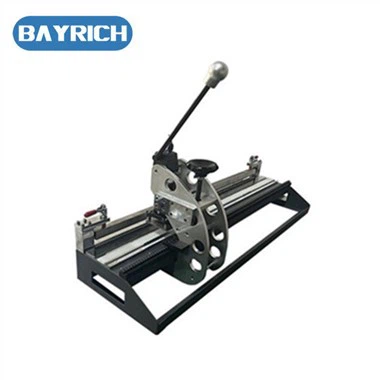
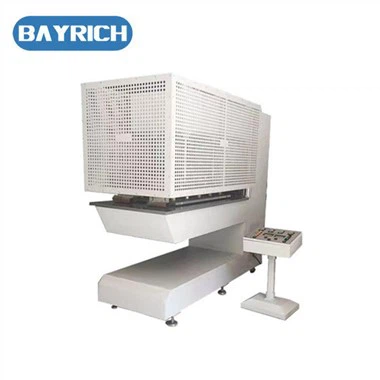
A timing belt splicing machine is a specialized industrial equipment used to join the ends of timing belts (such as polyurethane timing belts). It utilizes advanced methods like hot melting,, or mechanical fastening to create seamless, high-strength joints that ensure smooth power transmission and prevent belt slippage or breakage. Below are key details about timing belt splicing machines:

1. Main Types of Timing Belt Splicers
Hot Melt Timing Belt Splicer: Uses controlled heating to fuse polyurethane (PU) or thermoplastic timing belts for a durable joint.
Ultrasonic Timing Belt Welder: High-frequency vibration welding for precision timing belts in automation and robotics.
Mechanical Timing Belt Fastener: Heavy-duty metal clips or screws for industrial rubber timing belts with steel cords.
2. Key Features & Benefits for Bayrich hot melt timing belt splicing machine
Precision Alignment: Ensures perfect tooth pitch matching (MXL, XL, L, H, T5, T10 profiles) to prevent timing errors.
High Tensile Strength: Splice strength ≥90% of original belt for reliable power transmission.
Seamless Operation: Vibration-free joints reduce noise in CNC machines, 3D printers, and conveyor systems.
3. Industrial Applications
Automation Systems: Robotic arms, linear actuators, packaging machines.
Transportation: Food-grade timing belts for pharmaceutical and beverage conveyors.
Custom Solutions: On-site splicing for OEM timing belt replacements and maintenance.
4. How to Splice a Timing Belt? (Step-by-Step)
Cut: Square-cut belt ends into finger shape with timing belt cutting tools.
Clamp: Secure in splicing jig with proper tooth alignment.
Fuse: Apply heat (for PU belts) or ultrasonic energy (for fiberglass-reinforced belts).
Cool: Pressure-held cooling prevents weak joints.
Test: Verify splice strength with tension testing equipment.
5. Choosing the Right Splicing Machine
Belt Type: Match to HTD, GT, AT, or metric timing belt profiles.
Width/Thickness: 6mm to 200mm wide belts (e.g., 15mm, 25mm industrial timing belts).
Automation Level: Benchtop splicers for repairs vs. fully automatic machines for production lines.
6. Troubleshooting Common Issues
Failed Splices: Check temperature calibration on thermal splicers.
Teeth Skipping: Verify alignment pins on XL/HTD belt splicing fixtures.
7. Maintenance Best Practices
Replace heating elements every 500 cycles on hot plate splicers.
Calibrate ultrasonic welders monthly for consistent joint quality.
Store timing belt splicing kits in low-humidity environments.
Keywords:
timing belt splicer, polyurethane belt joining machine, industrial belt splicing equipment, HTD belt welder, GT2 timing belt repair, ultrasonic belt splicing, CNC timing belt fusion, heavy-duty belt fasteners, OEM belt splicing solutions, robotic timing belt maintenance
For high-performance timing belt splicing machines tailored to your belt type (PU, rubber, Kevlar-core), contact us with your technical requirements!