Composition and application of light weight conveyor belt
Feb 24, 2023
The conveyor belt is generally composed of three parts: skeleton material, covering layer and binding layer material (hereinafter referred to as "covering layer") and base material.
The skeleton material is the key to the carrying capacity of the conveyor belt, and is the decisive factor for the guidance, load capacity and extensibility of the conveyor belt; Therefore, the covering material is the guarantee for the normal operation of the conveyor belt, which has the functions of protecting the skeleton material, conveying the material, increasing the friction coefficient, absorbing the material impact, and resisting wear. The characteristics of the conveyor belt, such as high temperature resistance, wear resistance, and anti-static, all depend on the characteristics of the covering material; The role of the priming material is to make the skeleton material and the covering layer have good adhesion strength.
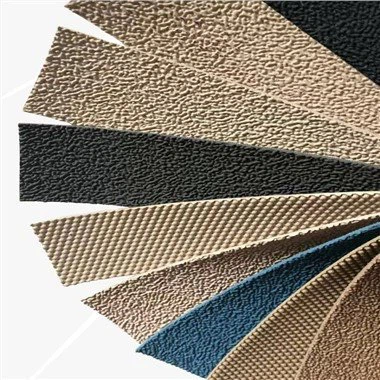
According to the different materials of the covering layer, the conveyor belt can generally be divided into rubber conveyor belt and light weight conveyor belt. The former mainly uses all kinds of natural or synthetic rubber for the covering layer, and the latter uses all kinds of polymer materials, mainly including PVC, PE, TPU, TPEE materials, etc.
In general, the application of rubber conveyor belt has not changed much in the past few decades. It is still dominated by traditional heavy industry and mining industry, and develops in the direction of high temperature resistance, flame retardance and high strength according to the special requirements of these industries; The application fields of light conveyor belt are increasing. From the initial light industry, electronic production line to textile printing and dyeing, stone and wood processing, food processing, etc., almost all other fields except the traditional five industries of steel, coal, electricity, cement, and port can be used at present. Its performance and application fields continue to develop with the development of polymer material technology. In the conveyor belt industry, light conveyor belt represents the development direction of lightweight, safety, environmental protection and energy conservation of conveyor belt.
Globally, with the development of the economy, the overall market size of the conveyor belt industry has maintained a steady growth.

Compared with the traditional rubber conveyor belt, the new material light conveyor belt has many advantages: first, it is more safe and sanitary. Compared with traditional conveyor belts, PU food-grade conveyor belts and PVC conveyor belts are widely used in food processing, agricultural production and other industries because they meet the strict standards of EU and FDA, while TPEE and PE conveyor belts are used as the main belts in the tobacco industry because their surface materials meet the requirements of non-toxic and harmless combustion; Secondly, it is relatively easy to change the performance, which can meet diverse performance requirements. In addition to the good characteristics of the covering material itself, the new material light conveyor belt products can be made to have the characteristics of acid and alkali resistance, oil resistance and organic solvent resistance through physical and chemical modification, to meet the diversified use needs of many industries; Thirdly, in the case of similar performance, the weight and thickness of new material light conveyor belt are far less than that of rubber conveyor belt, and its flexibility is better. The required equipment wheel diameter is also much smaller, so it is also more energy-saving.
Therefore, globally, with the development and application of new green environmental protection materials in the world and the increasing awareness of environmental protection and energy conservation, the conveyor belt industry will develop in the direction of light weight, energy conservation, safety and environmental protection in the future. The proportion of light conveyor belt in the conveyor belt industry is gradually increasing, and it will gradually replace ordinary rubber conveyor belt in more and more fields, and the market demand is expanding.